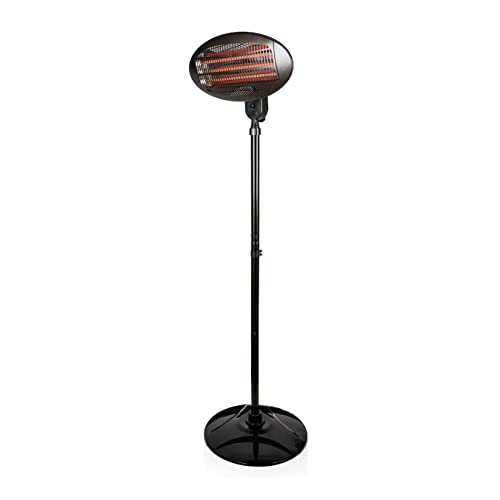
How to Choose the Best Electric Patio Heater
Think about the size of your patio and whether you want an outdoor heater or one that mounts to the wall. Also, consider safety features like anti-tilt devices or thermocouples.
The output of heat from the patio heater is measured in British thermal units. This determines the size of an area it can heat. For larger areas or colder climates more Btu ratings will be necessary.
Cost
A patio heater will enhance your outdoor space and extend the entertaining season. The cost can be high particularly if the heater is powered by propane or gas. Think about a model powered by electricity instead of gasoline if you're worried about cost. These models are more expensive initially but they can save money over time because they don't have to be replenished or replaced by propane tanks.
When comparing different kinds, compare their BTU ratings. This will show you how much heat each produces. A higher Btu indicates that the heater has the capacity to cover a greater area and generate more heat. Keep in mind that the type of outdoor space you're using your heater in will influence the type of heater you'll need. For instance, if you're in an area with bone-chilling temperatures, you may want to invest in a heater that offers a high Btu rating and a wide coverage area.
In addition to looking at the cost of the patio heater, it is important to consider its design and aesthetics. Certain patio heaters are designed with more attractive appearances while others offer simple solutions for keeping warm. Consider a heater in a pyramid- or dome-shaped design that has a contemporary appearance to get a more stylish model.
You'll also need to decide if you want a free-standing or mounted unit. Freestanding heaters are more flexible and portable. A mounted heater is more long-lasting and can also be an aesthetic element.
Once you've chosen a style and type of heater, you'll have to consider safety features. Both Worthington and Rother recommend looking for features like anti-tilt systems and automatic tip-over shutdowns. They also recommend wheels and a fitted lid. They also suggest that you not place your heater near flammable objects or in enclosed spaces. It is also a good idea to read the manufacturer's instructions carefully and make sure that the heater is not left unattended or near children.
Safety
Electric patio heaters offer an easy and safe alternative to gas heaters. They don't emit harmful gases like carbon monoxide, which makes them a good choice for homes with tight spaces, or homes with children or pets. They also do not require the use of a propane tank or natural gas lines, making them much easier to maintain and operate. Many models are also equipped with safety features such as automatic shutoff or tip-over protection that help reduce the risk for injuries or fires.
While most electric patio heaters are remarkably quiet, some models can generate a humming or buzzing sound when in operation. If you're looking for a quieter heater, read reviews of customers and pick one that doesn't disrupt ambient sound of the outdoor.
When choosing an electric patio heating system, you must be aware of the power output and area that is covered. Some models allow you to alter the heat output according to your needs. The highest BTU ratings work best for large outdoor areas while smaller BTU ratings are ideal for smaller spaces.
If you are looking for a more energy efficient model, look for one that utilizes infrared or radiant technology. This will help reduce your electricity bills. Certain electric heaters are available with a remote control which allows you to alter the heat settings from the distance. Other features, like thermostats and timers, could let you make the heater turn off after a specified period of time, or to maintain a constant temperature.
Other aspects to take into consideration when selecting the right electric patio heater include the installation requirements and mobility. Certain models, like ceiling-mounted or wall-mounted heaters require professional installation and are permanently fixed in place. Others, like freestanding and tabletop heaters, are more portable and can be moved around your outdoor space as needed. Look for a portable heater that is lightweight or comes with wheels for easy movement. Make sure the model is UL- or ULC certified for safety and compliance with industry standards. Follow the manufacturer's directions for installation, use, and maintenance to get the most out of your investment.
The Performance of the Performance of
Patio heaters allow you to extend your outdoor living into the cooler months, and allow you to enjoy a warm, cozy meal or drink. Selecting the best model to meet your needs requires consideration of factors such as the heat output, the cost, design and safety.
One important consideration is the fuel type. Some patio heaters operate on propane gas, while others rely on electricity. Propane heaters tend to be more powerful and produce higher heat However, they also require a cylinder that must be regularly replaced. Electric patio heaters offer more flexibility and are more secure than propane models as they do not emit harmful gasses. However they are more expensive to run due to the energy cost associated.
Another aspect to consider is the Btu rating (British Thermal Unit) of a patio heater. The higher the Btu the higher the heat the heater will emit. Generally, a patio heater that has at minimum 11,000 Btu can provide sufficient heating for most areas. For larger areas or colder climates you may need more Btu rating.
The presence of an oxygen sensor and a tip-over shutoff mechanism are the two most important safety features to look for. Both of these features could keep an explosion from spreading or inflicting injuries. A remote control with multiple settings is another feature to consider. They can allow you to customize the heat and also control the amount of light the heater produces.
The best electric patio heaters feature an elegant, minimalist design that is compatible with all styles of decor. Some are shaped like columns or thin pyramids. They are popular with homeowners who want to maximize heat coverage with a small footprint in their garden. These designs are easier to set up and take down compared to other types of patio heaters.
Some electric patio heaters can be hung on walls or posts. This is a great option for homes with limited space or when your patio is enclosed. These heaters aren't as portable and may not be able to heat the entire area. In Fireplaces And Stoves , attaching the heater on an exterior wall or post can create a risk of physical damage or even tampering.
Aesthetics
A patio heater can add to the overall ambiance of an outdoor space, especially when it is a stylish model that complements other furniture and design elements. Models with a sleek, modern look or a variety of colors and finishes that match your decor are perfect. Many models include additional features like timers or adjustable heat settings.
When comparing various electric patio heaters, it is important to consider their heat output and coverage area. The higher the number of BTUs a heater can generate and the greater heat it will provide. It is also essential to select a model that creates heat evenly throughout its area of coverage. For instance, certain models are designed with an arc-shaped heating element that can produce a large amount of heat, but might not be as effective for a small area.
It is also important to think about what power source you'll use for your patio heater. Some models are powered by electricity and require a plug-in outlet whereas others are wired into the electrical system of your home. Electric models are the most convenient, as they can be turned off and on by pressing a button or flicking the switch.
Gas heaters are, however are more likely to take longer to warm up and can create a safety risk in the event that they are not properly installed or maintained. Find a patio heater with a UL or ULC certification to ensure that it meets industry safety standards.
A patio heater can make your outdoor space more welcoming and comfortable especially when temperatures begin to drop. It's a great addition to your outdoor or backyard dining space and help you extend your outdoor time into winter. When selecting the right patio heater, keep in mind the security features, requirements for installation and the size of the unit to choose the best one for your needs.